Ancient Agora Athens: How to Visit, What to See, and Insider Tips
Explore the Ancient Agora Athens with practical tips, must-see monuments and smart timing. This guide helps you plan a meaningful visit, whether you\'re on a day trip or family holiday.

The Ancient Agora Athens sits at the heart of classical Athens and feels like a city within a city. If you're planning a visit, understanding the site's history, layout and visiting options will turn a walk among ruins into a layered experience. This guide to Ancient Agora Athens covers what to see, how to get there, and practical tips to make the most of your time.
Why the Ancient Agora Athens matters
The Agora was the political, commercial and social hub of ancient Athens for centuries. Walking its stones you trace the footsteps of philosophers, traders and citizens who shaped Western ideas about democracy, law and civic life. Knowing a little context before you go deepens your appreciation: the Agora is not just isolated ruins but a palimpsest of daily life from the Archaic to the Roman period.
Its buildings and open spaces reveal overlapping functions — markets, courts, meeting places and temples — so a visit rewards both the curious first-timer and the history-savvy traveler. The site’s combination of preserved monuments and reconstructed spaces, like the Stoa of Attalos, helps you connect fragments into a coherent story of ancient urban life.
What you'll see: highlights and practical tips
Start with the main concentrations of monuments and then let smaller features surprise you. The site is compact enough to explore in two hours at a calm pace, but three to four hours gives time for slower reading of inscriptions, reliefs and museum displays.
- Stoa of Attalos — A reconstructed colonnaded market that houses the Agora Museum and offers a clear sense of commercial life.
- Temple of Hephaestus — One of the best-preserved Doric temples in Greece, standing above the workshop quarter.
- Council (Bouleuterion) and Law Courts — Areas where citizens debated and jurors decided, important for understanding ancient democracy.
These highlights pair well with on-site interpretation panels, but a short guidebook or audio guide elevates the visit by linking the fragments to personalities and events. If you prefer expert narration, consider a guided option to hear targeted stories rather than isolated facts.
Stoa of Attalos
The Stoa was a covered marketplace and meeting place; its reconstruction gives visitors a tangible sense of the Agora’s scale and rhythm. Inside, the Agora Museum presents small finds—potsherds, statues and everyday objects—that illuminate daily Greek life. Plan at least 30–45 minutes here to absorb displays and the architecture.
Temple of Hephaestus
Sitting on a gentle rise, the Temple of Hephaestus crowns a neighborhood of workshops and metalworkers. Its high state of preservation makes it a striking photo subject and a useful case study for classical temple design. Walk the perimeter to notice sculptural details and how the temple engaged with surrounding streets.
Best ways to visit: self-guided, guided, and family-friendly options
Choosing how to visit depends on your interests and travel style. Self-guided visitors get flexibility; you can linger where you like and pair the Agora with nearby sites. Families and first-time visitors often gain more from structured storytelling, interactive features and shorter focused walks.
Guided tours connect the physical remains to people and narratives—ideal if you want meaning over monuments. If you need a private or themed experience, look into private tours or family-focused tours that tailor pace and content for your group.
| Option | Duration | Best for | How to book |
| Self-guided | 1.5–3 hours | Independent travelers, photographers | Buy tickets on site or check Museum Tickets |
| Guided group | 2 hours | History enthusiasts, first-time visitors | See organized options under Tours or Acropolis Tours |
| Private or family tour | 1–3 hours | Families, special interests | Book a tailored experience via Private Tours |
Timing, accessibility and getting there
Early morning or late afternoon visits avoid the heat and crowds during summer. In shoulder seasons, midday is comfortable and light for photography. Check opening hours and any combined ticket windows—some museum passes affect entry times and routes through the site.
The Agora sits northwest of the Acropolis and is walkable from historic neighborhoods like Plaka and Monastiraki. Use the Athens Metro to Monastiraki station or Thiseio (which is even closer to the main entrance), or follow one of the scenic walking routes. If mobility is a concern, plan a route that avoids steep slopes and consult accessibility notes before you go.
- Bring a hat and water during summer; there is limited shade within the site.
- Wear comfortable shoes—ancient paving is uneven and requires steady footing.
- Combine the Agora with nearby museums or a stroll through Plaka for a full itinerary.
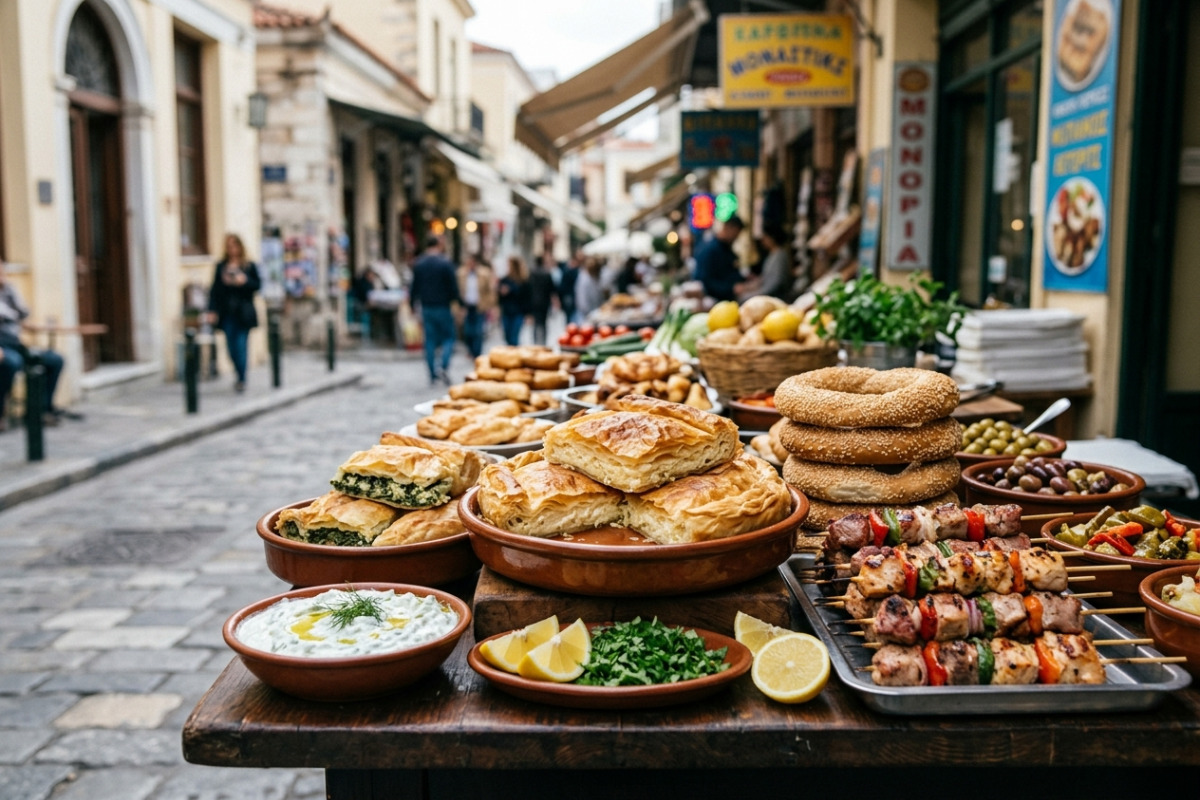
- After your visit, explore the local food and nightlife in the nearby Monastiraki area.
Plan your visit to the Ancient Agora Athens
Visit with a purpose: decide whether you want architectural detail, social history or a family-friendly narrative and choose your format accordingly. For deeper context, pair the Agora with a guided Acropolis visit or a museum stop to see artifacts in their conservation context. You can explore organized options on Athens Portal Tours or find neighborhood tips in our Guides section.
Ready to go? Book in advance if you prefer guided or private experiences, and use the timing tips above to avoid crowds. The Agora rewards slow looking—give yourself time and you'll come away with a stronger sense of how ancient Athenians lived, worked and argued in public life.