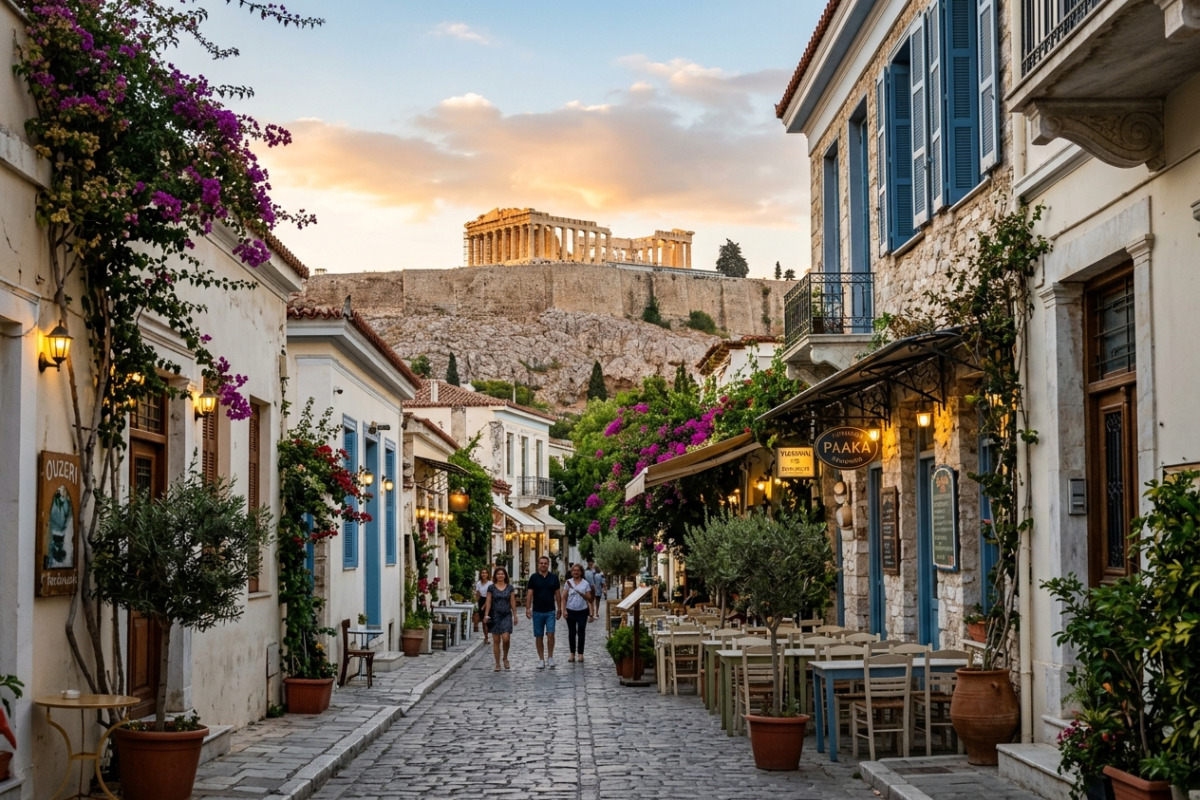
Athens Greeting Etiquette — How Locals Say Hello
Practical guide to Athens greeting etiquette: learn how locals say hello, typical gestures, and dining manners so you feel confident in markets, tavernas and neighborhoods.
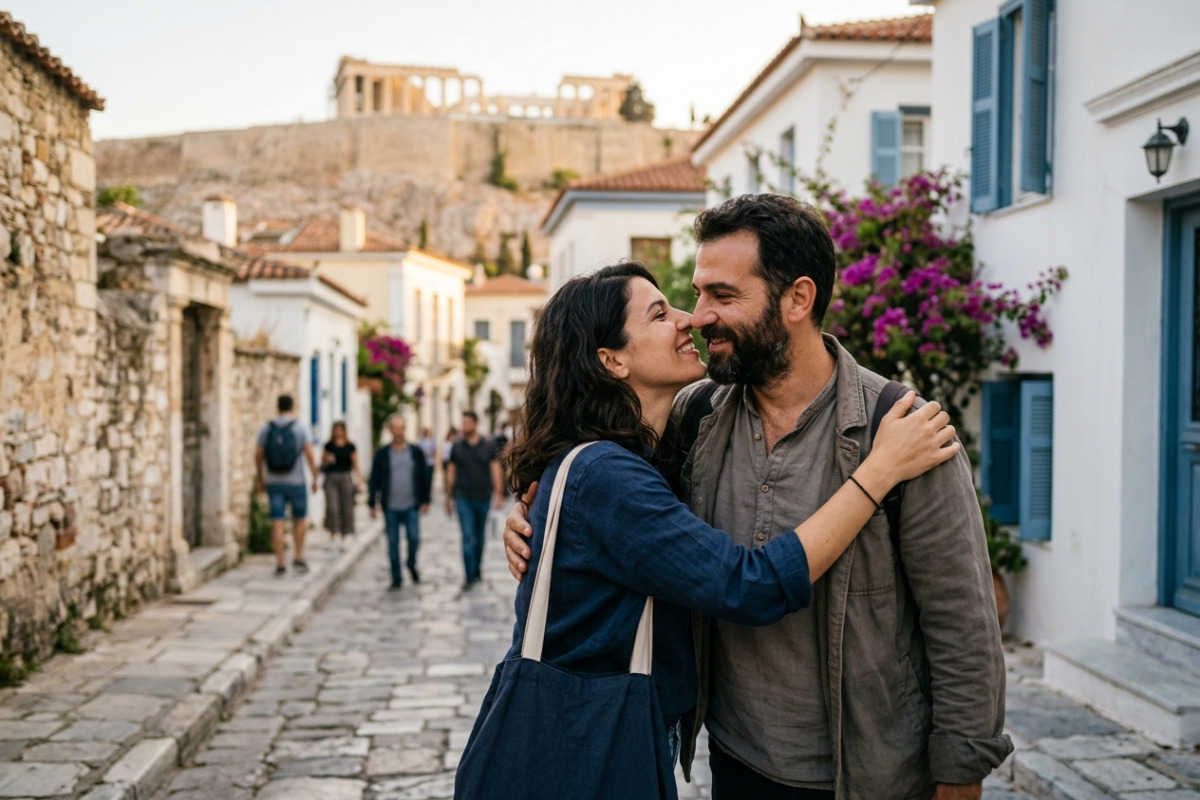
Visiting Athens means more than seeing ruins — it also means navigating social customs so you feel comfortable meeting locals. This guide to Athens greeting etiquette covers the small signals that make a big difference: how to say hello, when to offer a handshake or a kiss on the cheek, and what to avoid in shops, taxis and tavernas.
The essentials of Athens greeting etiquette
Greeks value warmth and directness. When you first meet someone in Athens, expect a friendly tone: a firm handshake with eye contact for formal or first-time encounters, and a light kiss on both cheeks (starting with the left) among friends and family. The word "Yassas" (formal or plural) or "Yassou" (informal) is common; using a simple "hello" in English is usually fine, but trying a Greek greeting is appreciated.
Personal space is slightly closer than in northern Europe or North America. You may notice people stand nearer and use casual touch during conversation. Read the room: mirror the other person's energy rather than forcing distance. Above all, show respect — a polite tone and a smile will go a long way. For more context on local behavior, see our guide to Local Customs.
- Do: Offer a handshake in formal situations and respond to cheek kisses if initiated.
- Don’t: Assume everyone greets the same way — older generations tend to be more formal.
- Do: Learn a few Greek phrases; even a short attempt signals respect and curiosity.
Reading gestures and small-talk cues
Non-verbal signals matter. Sustained eye contact shows sincerity, while quick glances and a smile can indicate friendliness without commitment to a long chat. Greeks often use expressive hand gestures to underline a point; these are part of the conversational rhythm rather than aggression.
Touch and proximity
Light touch on the arm or a pat on the shoulder during conversation is common among friends. If you prefer less contact, gently step back and maintain a relaxed posture — people will usually adapt. When meeting elders, wait for them to extend a hand or to indicate how they prefer to greet. For general tips on navigating the city safely, check our Safety guide.
Common gestures to know
Some gestures have different meanings than you might expect. For example, the Greek-style "thumbs up" is usually fine, but the "Moutza" — extending your open palm with fingers spread toward someone — is a highly offensive gesture in Greece. When in doubt, keep gestures modest and rely on words.
Dining and timing: greetings at tavernas and cafés
Meal settings reveal a lot about local etiquette. Dining in Athens is social; hosts often greet guests warmly and expect relaxed conversation. When you enter a taverna, a friendly "Kalimera" (Good morning) or "Kalispera" (Good evening) based on the time of day is polite. Let the host show you to a table — standing your ground can seem brusque.
Timing matters: Greeks eat later than many visitors. Lunch commonly stretches into mid-afternoon and dinner often begins around 9pm, especially in summer. If you’re planning to dine early, some neighbourhood tavernas may not be fully active. For practical tips on where and when to eat, check the Eat & drink guide and the rooftops recommendations for summer timing.
| Meal | Typical Athens timing | Greeting habit |
|---|---|---|
| Breakfast | 7:30–10:30 | Café nod, casual "Kalimera" |
| Lunch | 13:00–16:00 | Relaxed seating, polite exchange |
| Dinner | 20:30–23:30+ | Long meals, convivial greetings |
Philoxenia: literally "friend to the stranger" — a cultural value meaning hospitality, generosity and warmth towards guests.
How greeting etiquette changes by place: markets, neighborhoods and transport
Context shapes the way people greet you. In neighbourhoods like Monastiraki or Psyrri you’ll find a lively, animated style; shopkeepers may greet passersby with a quick "Yassou!" and a grin. In quieter residential areas, people may be more reserved. If you’re exploring, browse local neighbourhood guides or discover more things to do to get a feel for each area before you arrive.
Transit and taxis are practical places for short interactions. When you enter a taxi or a metro carriage, a brief nod and a polite hello are enough. If you need help with directions, ask courteously and thank the person — Greeks respond well to sincere appreciation. For detailed transport tips, see the Athens Metro and taxi advice at Taxis & Ride Apps.
- When bargaining at markets, start with a smile and a short greeting; a friendly approach often gets better results.
- If someone offers you food or a drink, accept politely if you can — refusing without thanks can be perceived as rude.
Putting it into practice — quick dos and don'ts
Practice a few simple habits and you’ll blend in quickly. Use a polite greeting, match the other person’s level of familiarity, and be mindful of touch and personal space. Showing curiosity about Greek culture signals respect and opens conversations.
- Start with "Yassas" or a warm "Hello"; smile and make brief eye contact.
- Offer a handshake in formal settings; accept cheek kisses if offered among friends.
- Mirror local energy — louder, animated conversations are normal.
- When in doubt, ask politely how they prefer to be greeted.
Summary and next steps
Mastering Athens greeting etiquette is largely about observation and courtesy: a friendly greeting, modest gestures, and an openness to local timing will make interactions smoother and more rewarding. Remember philoxenia — Greeks like to welcome sincere visitors.
Want to experience these customs firsthand? Join a neighbourhood walk or a food tour to see how locals interact in cafes and tavernas, or browse our Local Customs guides for deeper cultural context. If you’re planning where to stay while you practice greetings, check our Where to Stay recommendations.