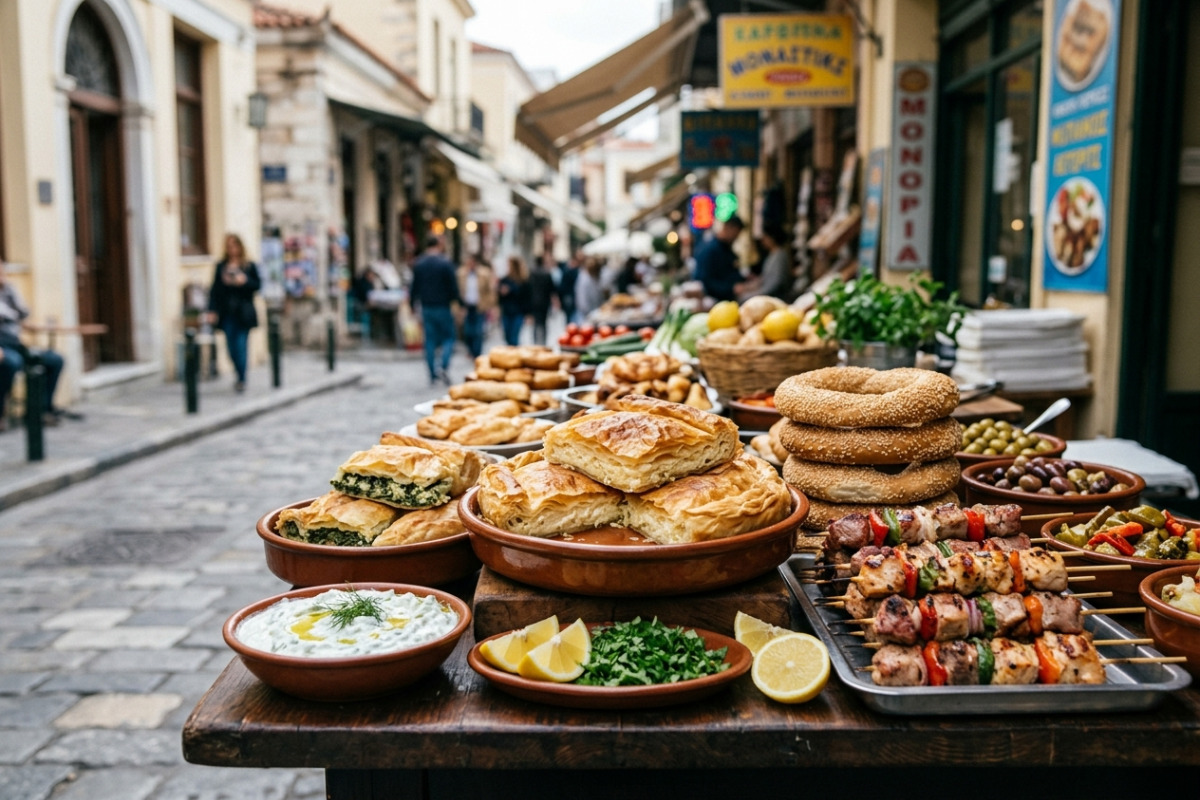
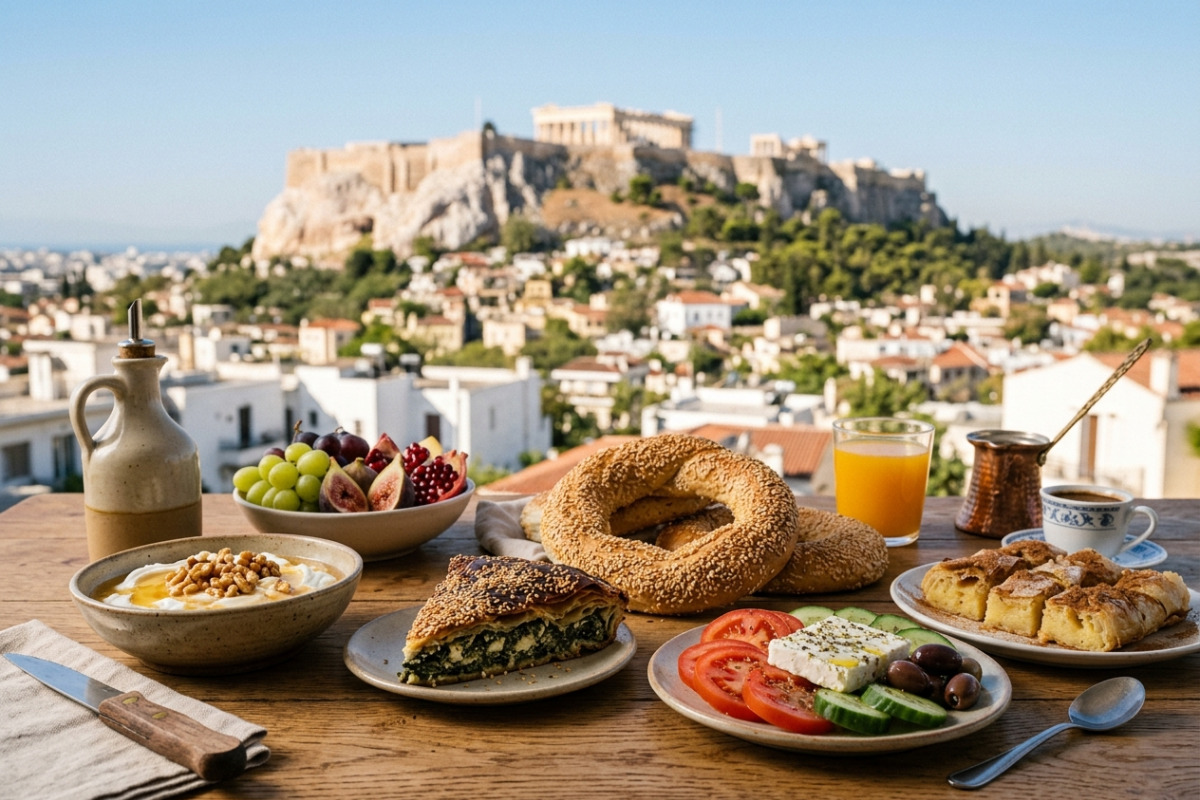
Athens Traditional Tavernas: How to Choose and Eat Like a Local
A practical guide to Athens traditional tavernas: where to find authentic spots, how to read a menu, and simple etiquette to help you dine like a local.
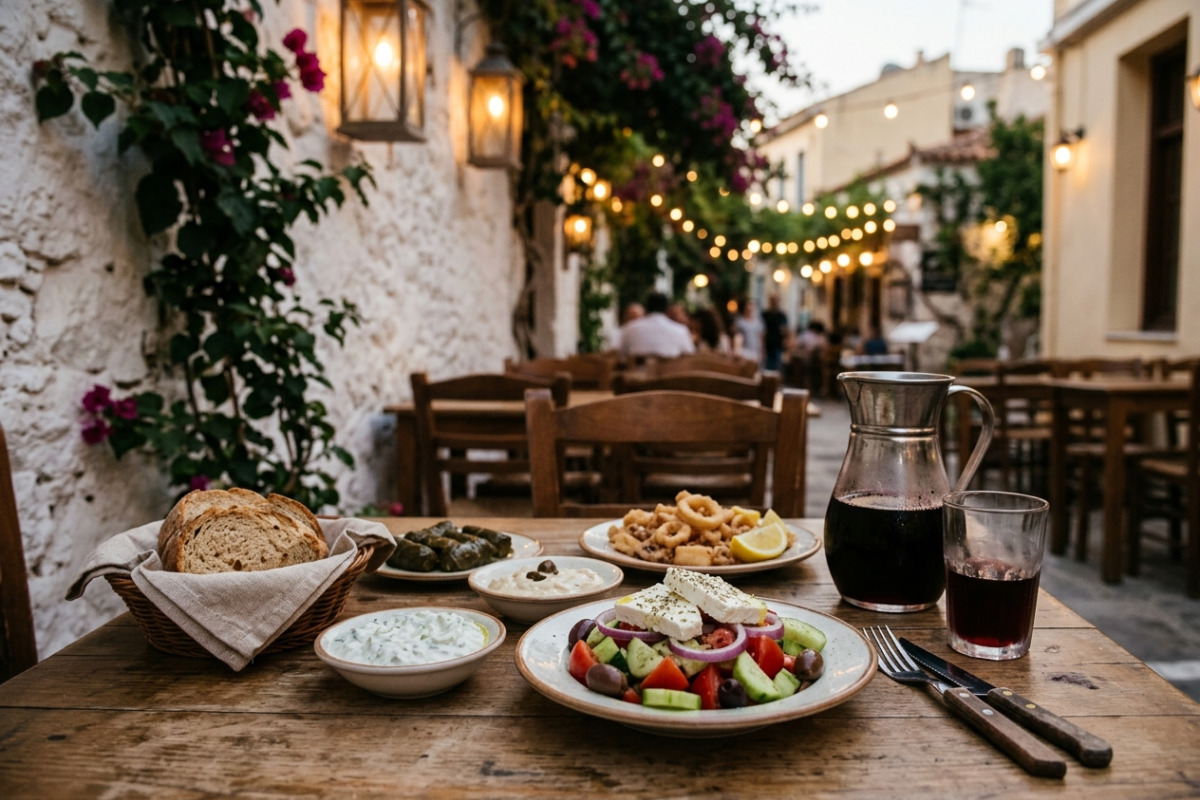
Planning meals around Athens' cobbled streets means learning how to spot genuine charm and avoid tourist traps. This guide to Athens traditional tavernas helps you find honest cooking, read menus confidently, and dine with local manners so your meals become memorable, not frustrating.
Where to find authentic traditional tavernas in Athens
Not every restaurant with blue chairs is a true taverna; authenticity shows up in small, repeatable signals. Look beyond the main squares into quieter lanes of neighborhoods where residents shop and chat — those are the places where tavernas serve the kind of food families eat. Use our neighborhoods guide to narrow down areas that blend atmosphere with tradition rather than pure tourist footfall.
Late evenings (usually after 21:00) are when local tavernas truly come alive; Greeks rarely dine early, and the atmosphere peaks well into the night. If you prefer being closer to the city’s sights, consider pairing a taverna dinner with a stay near the Acropolis — see options at near Acropolis and plan your day with our itineraries and walking routes to maximize your time.
Understanding the menu: meze, mains and local drinks
The Greek taverna menu is often split into cold meze, hot meze, grilled mains and daily specialties. Meze (small plates) are designed for sharing, which suits group dining and lets you sample several flavors. Ask what’s fresh today — locals tend to order the chef’s daily choices rather than fixed menu staples.
What to order first
Start with a mix of cold and hot meze — for example, tzatziki or marinated olives followed by warm saganaki or fried zucchini. For mains, grilled fish or slow-cooked lamb are reliable indicators of a taverna’s skill. Pair food with a carafe of house wine (huma) or retsina for a traditional touch. While ouzo is a popular choice, it is best enjoyed slowly with seafood-based mezedes rather than as a quick aperitif.
For practical timing tips and rooftop meal advice in summer, refer to our food & nightlife guide which explains when Athens dining rhythm suits you best.
How to pick a taverna: a practical checklist
Use this quick checklist when you approach a taverna: look for handwritten daily specials, a visible kitchen or grill, and a mix of local customers. Staff who can explain dishes and recommend a wine are usually a good sign. Avoid places that aggressively tout discounts to passersby — genuine tavernas rely on steady local trade. For more ideas on what to do between meals, check our things to do section.
- Handwritten specials: Indicates fresh, seasonal food.
- Local diners present: Shows regular patronage and late-night activity.
- Open or viewable kitchen: Transparency in how food is prepared.
- Menu variety without excessive photos: Focuses on taste rather than tourist marketing.
To make this comparison clearer, here’s a simple table showing quick cues:
| Feature | Tourist Spot | Authentic Taverna |
|---|---|---|
| Menu | Large, glossy, many photos | Compact, daily specials, handwritten |
| Clientele | Mostly tourists, eating at 19:00 | Locals and regulars, eating after 21:00 |
| Service style | Aggressive seating/touting | Friendly, relaxed, knowledgeable |
Taverna etiquette and tips to enjoy your meal like a local
Eating in a taverna is relaxed and social — meals are meant to be savored. When you share meze, plates will come gradually, encouraging conversation. If you are in a hurry, a taverna might not be the best choice; embrace the unhurried pace and let courses arrive naturally.
Paying, splitting bills and tipping
In traditional tavernas, splitting the bill individually at the register is uncommon and often not possible. It is customary for the table to settle one bill together. Tipping is appreciated but not mandatory: leaving 5–10% or rounding up the bill is a kind gesture for good service. For broader traveler norms, see our money & budget guide and local customs.
Pro tip: Order a few meze and one shared main per two people — you taste more and engage with the taverna’s strengths.
Summary & how to dive deeper
Choosing the right Athens traditional taverna comes down to fresh daily dishes, local clientele, and a relaxed atmosphere. When you prioritize those cues, you’ll enjoy meals that tell a true story about the city.
If you want to layer context onto your meals, consider booking a guided food experience — our food tours connect you with tavernas that locals respect. You can also explore private tours and family tours to tailor an evening out. Ready to taste Athens with confidence? Start by picking a neighborhood from our neighborhoods guide and let your appetite lead the way.