Athens Food Markets: Seasonal Picks, How to Shop Like a Local
Discover Athens food markets with seasonal buying guides, local etiquette and transit tips. Learn what to buy each season and how to shop like a local at Varvakeios and laiki markets.
Athens food markets are where the city's daily life, seasons and flavours intersect — and they reward anyone who knows how to shop them. Whether you want the best tomatoes of August, a taverna-quality cut of meat, or an honest citrus seller who explains today's yields, this guide helps you navigate markets with confidence and local savvy.
Athens food markets: where to shop (types and what to expect)
Start by recognising three distinct market types you'll see across the city: the central covered market (Varvakeios), the weekly "laiki" street markets that pop up in neighbourhoods, and smaller Saturday farmers' or organic markets. Each serves a different purpose: Varvakeios is wholesale and lively, laiki markets are everyday staples for locals, and farmers' markets tend to highlight curated, seasonal produce.
Knowing the type helps set expectations about prices and opening hours. Varvakeios buzzes with early-morning trade; while meat and fish stalls remain open until late afternoon (typically 6:00pm), the best selection is found before midday. Note that Varvakeios is closed on Sundays. Laiki markets follow a set weekday schedule per neighbourhood (usually 7:00am to 2:00pm), while Saturday farmers' markets often run until mid-afternoon.
Best markets to prioritise and how to plan visits
If you only have half a morning for markets, head to Varvakeios (Athinas Street) before 10:30am for the fullest choice of fish, meat and bulk spices. For a local immersion, check the neighbourhood laiki on whichever weekday matches the area you're staying in. If you prefer a quieter, organic selection, search for a Saturday farmers' market in northern suburbs such as Kifisia or the leafy streets of Pangrati.
Plan visits around two rules: arrive early for the freshest selection and avoid the final hour when vendors are packing up, unless you are looking for deep discounts on remaining produce. Use public transit — the Athens Metro can drop you close to many central markets — and combine walking to cover nearby spots. For practical transit guidance, consult the site's Athens Transport and Athens Metro pages to map your route efficiently.
Seasonal buying guide: what to pick month-by-month
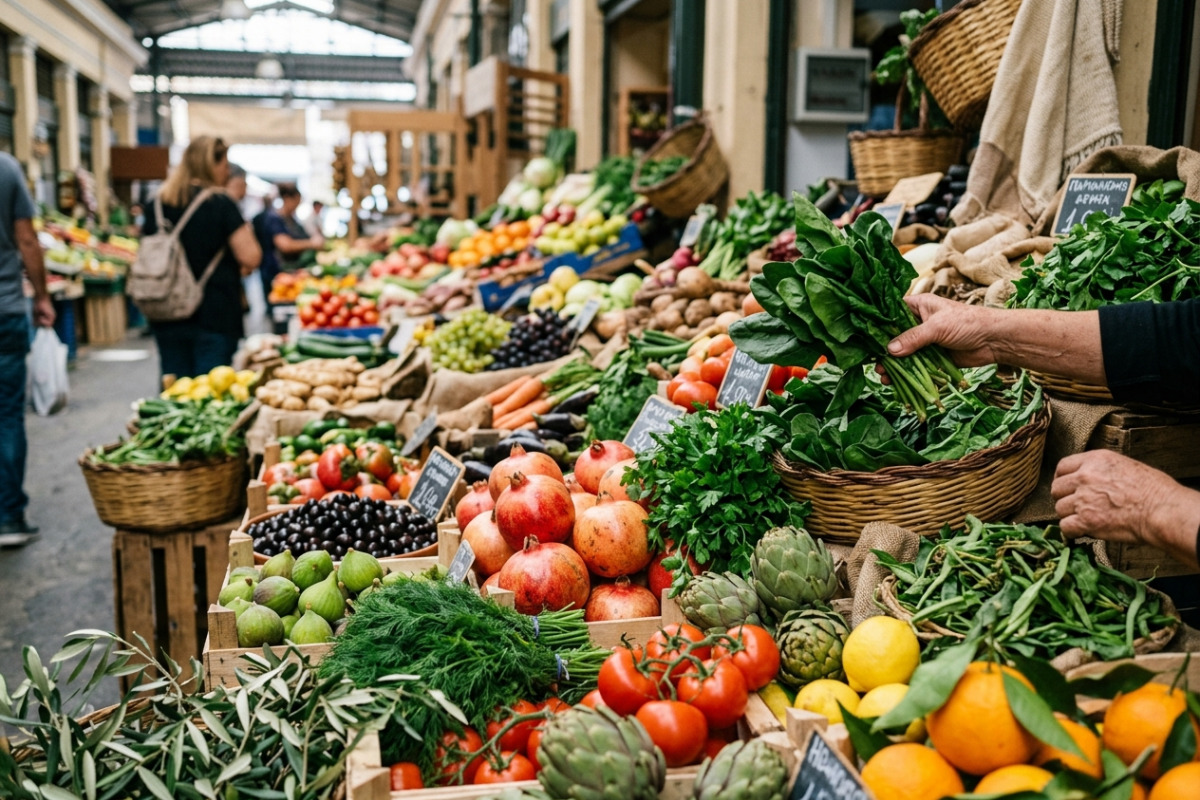
Buying seasonally in Athens both saves money and guarantees flavour. In spring look for strawberries, apricots and wild greens (horta); summer brings peak tomatoes, figs and peaches; autumn is for pomegranates, grapes and mushrooms; winter favours citrus, cabbage and root vegetables. Fish and shellfish are also seasonal — ask vendors for the "psari tis epohis" (fish of the season).
When you arrive, check fruit and vegetables for aroma and firmness rather than perfect appearance. Speak briefly to the vendor: a quick question about ripeness or origin often yields a suggested use (salad vs. cooking) and helps you buy the best value for that day.
How to shop like a local: etiquette, payments and packaging
Shopping in Athens markets is direct. Start with a friendly “kalimera” (good morning). While cash was once king, as of 2024, all market vendors in Greece are legally required to accept card payments (POS). However, carrying small change is still appreciated for very small purchases. To learn more about local interactions, see our guide on local customs.
Unlike in some Mediterranean countries, aggressive bargaining is not common in Greek food markets for standard quantities; prices are usually fixed and clearly displayed. However, you might see prices drop naturally toward the end of the market day. Bring reusable bags to reduce plastic use; while vendors provide thin plastic or paper bags, they aren't very sturdy for a long walk back to your accommodation.
Hygiene and safety tips
Markets can be crowded and floors (especially in the fish section) can be slippery. Wear closed-toe shoes and carry hand sanitiser. Keep an eye on your belongings in crowded areas, as you would in any major city; for more details, visit our safety guide. If buying perishables, check where to stay options near central markets to ensure you have a fridge nearby.
Quick comparison: Varvakeios vs laiki vs farmers' markets
| Market type | Best for | Typical hours | Vibe |
|---|---|---|---|
| Varvakeios (Central Market) | Fish, meat, spices, olives | 07:00 - 18:00 (Mon-Sat) | Bustling, loud, historic |
| Laiki (Street markets) | Fresh produce, honey, eggs | 07:00 - 14:00 (Specific days) | Practical, neighbourhood-focused |
| Saturday Farmers' Markets | Organic & artisanal produce | 08:00 - 15:00 (Saturdays) | Laid-back, producer-led |
Sample half-day market route
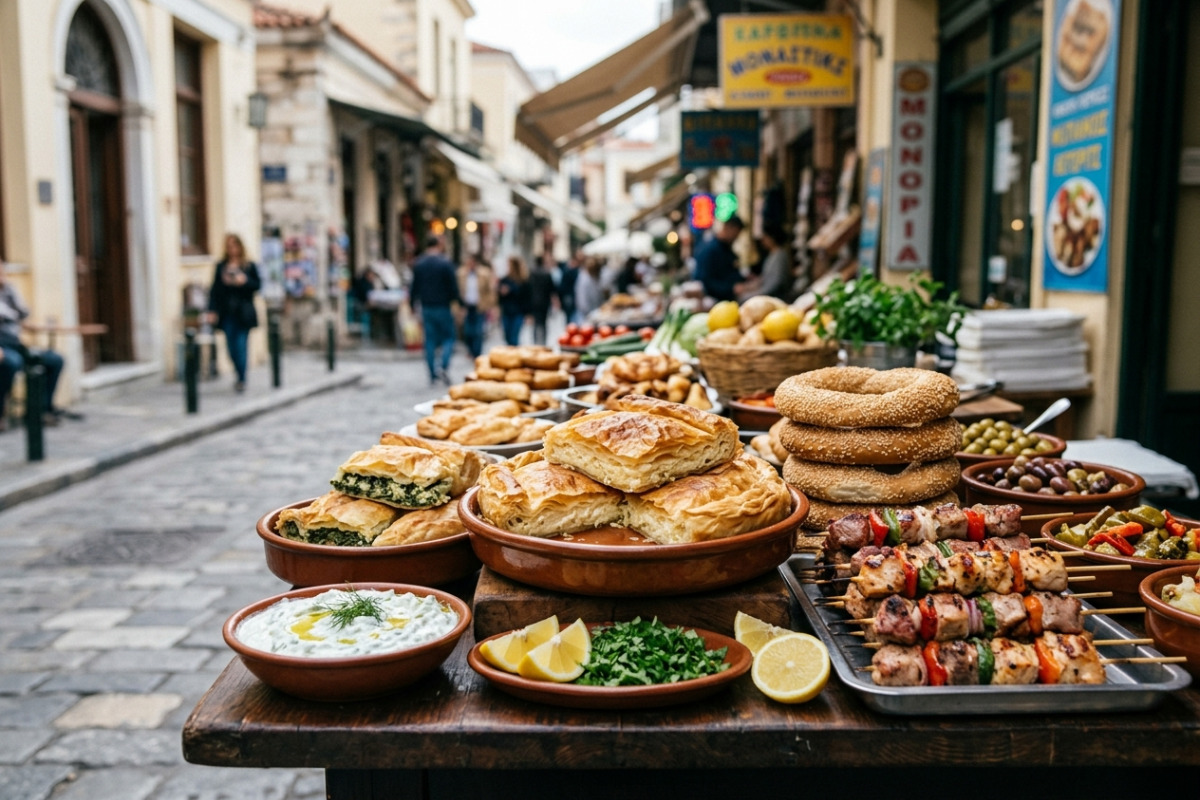
Start at Varvakeios at 8:30am to pick up olives and spices. Walk toward Monastiraki for a coffee, then head to a nearby neighbourhood laiki (like the one in Kallidromiou on Saturdays) to pick seasonal fruit and greens. This route combines wholesale variety with neighbourhood character. If you prefer a guided option to learn vendor stories and taste local specialties, consider booking a curated food tour.
Wrap-up and next steps
Markets reveal the seasonal cycles and rhythms of Athenian life. Use this guide to find the ingredients for a perfect Mediterranean meal or simply to witness the city's vibrant commerce. For more culinary inspiration, explore our food and nightlife section or check our neighbourhoods guide to find the market closest to you.